
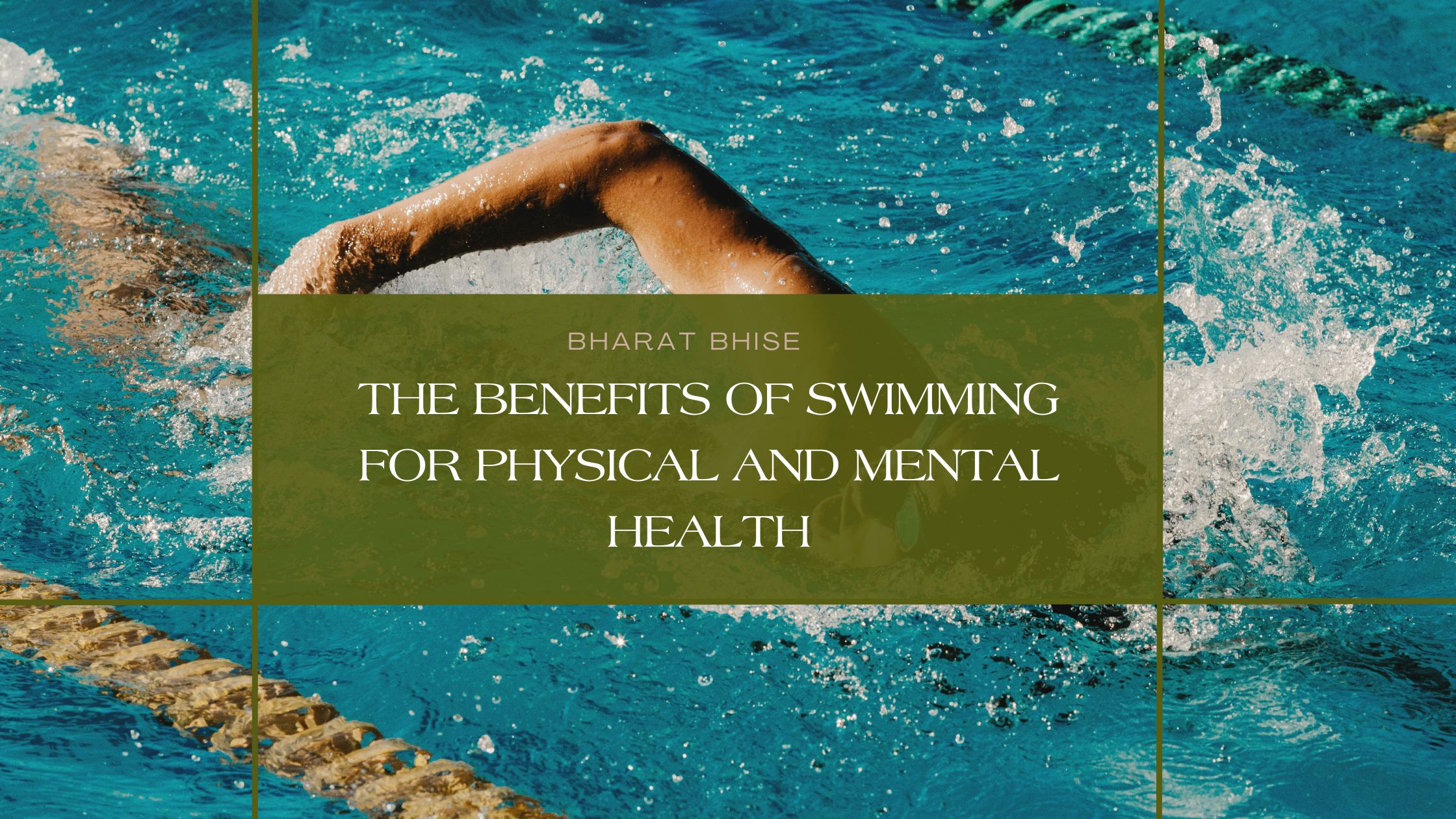
Swimming is often called the “complete workout” because it engages nearly every muscle group in your body. Beyond its physical benefits, swimming offers many advantages for your mental well-being. In this blog post, we’ll dive into the many benefits of swimming for both physical and psychological health.
Physical Benefits of Swimming
Full-Body Workout: Swimming is a fantastic way to work all your major muscle groups simultaneously. Whether doing the front crawl, breaststroke, or butterfly, you’ll use your arms, legs, core, and back. This comprehensive workout helps you build strength and increase muscle tone.
Cardiovascular Fitness: Swimming is a fantastic aerobic exercise that gets your heart rate up. Regular swimming can improve cardiovascular health by increasing lung capacity and circulation, reducing the risk of heart disease and other cardiovascular issues.
Low-Impact Exercise: Unlike many other forms of exercise, swimming is low-impact, making it gentle on your joints. It’s an excellent choice for individuals with arthritis, joint pain, or those recovering from injuries, as it offers an effective workout without stressing the body.
Weight Management: Swimming is a great way to manage your weight. It burns a significant number of calories, and because water provides resistance, you work harder and, as a result, burn more calories. It can be a valuable tool in weight loss or maintenance.
Improved Flexibility: Swimming’s rhythmic, fluid motions help enhance your flexibility. The elongated movements improve joint mobility and reduce the risk of muscle tightness.
Mental Benefits of Swimming
Stress Reduction: Swimming offers a unique form of relaxation. The sound of water and the rhythmic strokes can be meditative, helping to reduce stress and calm the mind. It provides a serene environment that encourages mindfulness.
Mood Elevation: Like other forms of exercise, swimming releases endorphins, the “feel-good” hormones. This can boost your mood, reduce symptoms of anxiety and depression, and provide a sense of accomplishment after a swim session.
Better Sleep: Regular exercise, including swimming, can help you fall asleep faster and enjoy a more profound, more restful sleep. A good night’s sleep contributes significantly to your overall mental health.
Social Interaction: Swimming can be a social activity, whether swimming laps with friends or participating in group classes. Building connections and sharing experiences with others contributes positively to your mental well-being.
Enhanced Cognitive Function: Swimming engages your brain as you coordinate your movements and breathe rhythmically. This can enhance cognitive function and improve memory and focus over time.
Self-Confidence: Achieving swimming milestones, such as mastering a new stroke or increasing your endurance, boosts self-esteem and confidence. These positive feelings can carry over into other aspects of your life.
Conclusion
Swimming is more than just a recreational activity; it’s a complete physical and mental health package. The physical benefits, including full-body conditioning, cardiovascular fitness, and weight management, make it an excellent choice for maintaining physical health. Simultaneously, the mental benefits of stress reduction, mood elevation, and improved cognitive function make it a holistic activity that contributes to your overall well-being.
If you have yet to consider swimming as a regular part of your fitness routine, it’s worth trying. Whether you swim in a pool, a lake, or the ocean, you can experience the numerous physical and mental health advantages that come with this enjoyable and versatile exercise. So, dive in, enjoy the water, and reap the benefits for your body and mind.