
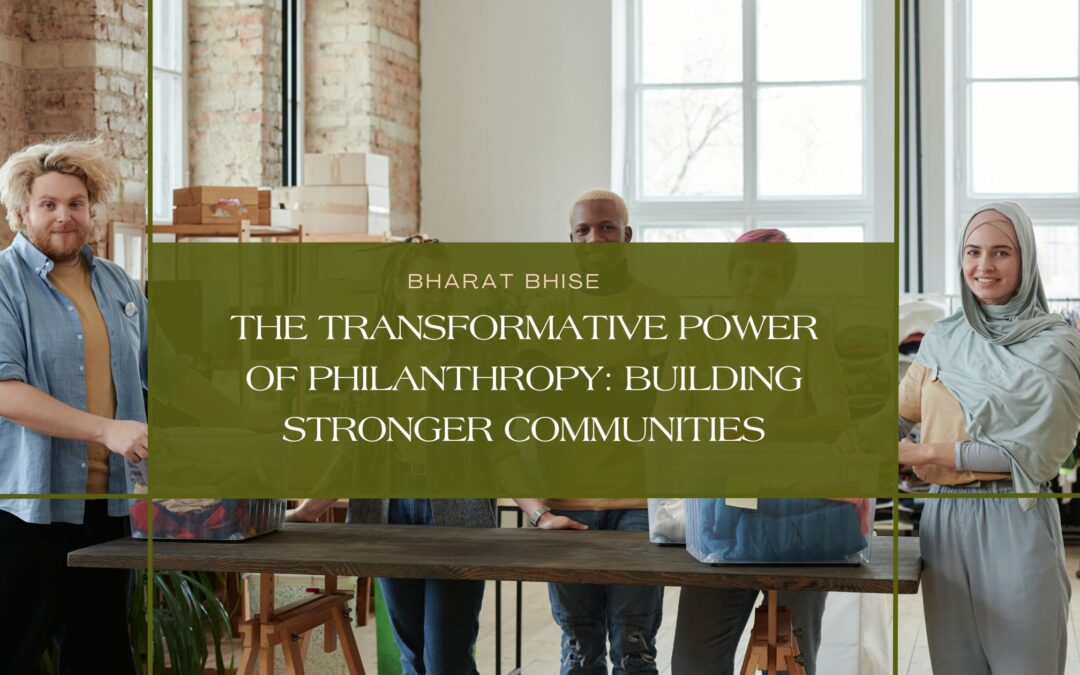
Philanthropy, derived from the Greek term meaning “love of humanity,” is more than just a generous act; it is a profound commitment to creating meaningful, lasting change in society. Whether through monetary contributions, volunteering time, or sharing expertise, philanthropy fosters stronger, more resilient communities. At its heart, community involvement amplifies the impact of philanthropic efforts, demonstrating that change begins locally before rippling out globally.
The Many Faces of Philanthropy
Philanthropy is not confined to multimillion-dollar donations from corporate giants or foundations. While these contributions are crucial, grassroots efforts often embody the essence of community-oriented philanthropy. For example:
- Volunteering: Offering time at local shelters, food banks, or community centers often has an immediate, tangible impact.
- Skill Sharing: Professionals sharing expertise—be it financial planning, legal advice, or mentoring—can empower underserved populations.
- Crowdfunding: Platforms like GoFundMe and Kickstarter enable individuals to support causes ranging from medical emergencies to community projects.
Such acts demonstrate that the spirit of giving is accessible to everyone, regardless of income or social standing.
Why Community Involvement Matters
Communities are the backbone of society. When individuals unite to address local issues, they not only solve immediate problems but also foster a sense of belonging and mutual respect. Here’s why community involvement is crucial:
- Localized Impact: National or global philanthropic efforts often overlook the unique challenges faced by smaller communities. Local involvement ensures targeted solutions.
- Empowerment: Encouraging community members to participate in initiatives gives them agency in shaping their futures.
- Sustainability: Projects driven by community members are more likely to be maintained and adapted to changing needs over time.
Examples of Philanthropy in Action
Across the globe, individuals and organizations have redefined what it means to give back.
- LeBron James Family Foundation: Focused on educational reform, this foundation has provided scholarships and opened schools that cater specifically to underprivileged children, demonstrating the transformative potential of education-based philanthropy.
- Mutual Aid Networks: During the COVID-19 pandemic, neighbors organized to deliver groceries, provide financial assistance, and share resources. These grassroots movements showcased the power of collective action.
Such examples prove that large-scale efforts and small, localized initiatives both play essential roles in fostering societal change.
How to Get Involved
If you’re inspired to make a difference but don’t know where to start, consider these actionable steps:
- Identify Local Needs: Look for areas where your skills, time, or resources can make a difference. This could be as simple as tutoring students or organizing a neighborhood clean-up.
- Join Nonprofits: Many established organizations need volunteers for various roles. Websites like VolunteerMatch can connect you with causes that resonate with your interests.
- Advocate for Change: Sometimes, the most impactful contribution is raising awareness about an issue through social media, blogs, or community meetings.
- Collaborate: Partner with like-minded individuals or businesses to maximize the reach and impact of your philanthropic efforts.
The Ripple Effect
One of the most beautiful aspects of philanthropy is its ripple effect. A single act of kindness often inspires others to follow suit. For instance, when a local business supports a food drive, its employees and customers are likely to contribute, multiplying the impact. Similarly, mentoring one young person can lead to a cascade of positive outcomes as they, in turn, uplift others in their community.
Philanthropy and Corporate Responsibility
In today’s world, businesses are increasingly recognizing their role in community development. Corporate Social Responsibility (CSR) programs have become a cornerstone of many successful companies. These initiatives often include:
- Sponsoring local events.
- Implementing environmentally friendly practices.
- Establishing scholarship programs.
Not only do CSR efforts enhance a company’s public image, but they also create a loyal customer base that values ethical practices.
Looking Ahead
As the challenges facing communities grow increasingly complex, so does the need for innovative approaches to philanthropy and community involvement. Technology, for instance, has emerged as a game-changer, enabling donors to track the impact of their contributions and organizations to reach wider audiences.
Philanthropy is a powerful tool for building stronger, more equitable communities. Whether through large-scale projects or small, everyday actions, each contribution matters. The key is to start where you are, use what you have, and take the first step toward making a difference.
After all, the most enduring legacy we can leave behind is a better world for future generations.